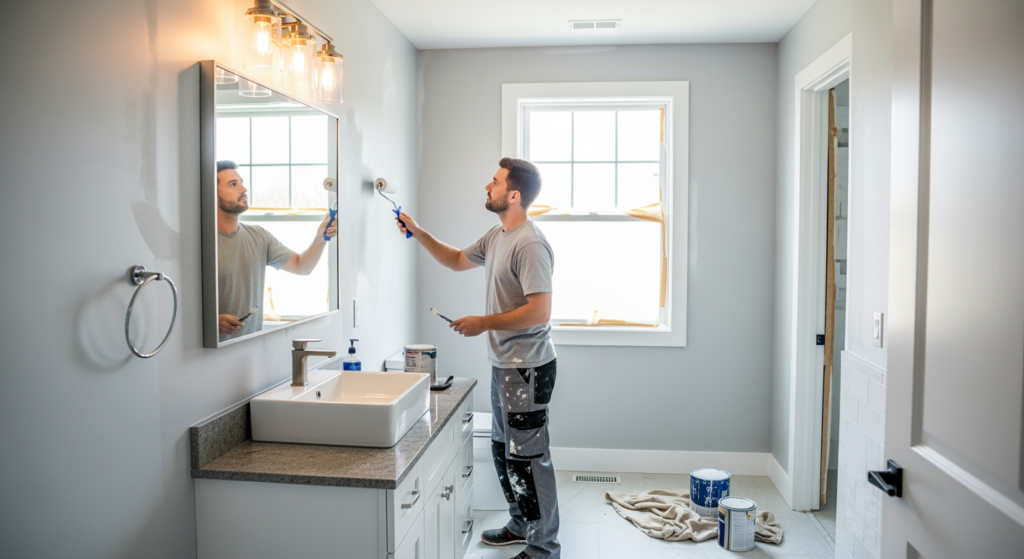
If you’re planning to update a bath in Athens, I want to walk you through the real cost of bathroom remodel so you can plan with confidence. Remodeling budgets move quickly, and local factors in Athens, GA make a difference. For context on housing and remodeling trends that affect pricing across communities like ours, the U.S. Census Bureau provides useful national and regional housing information that helps explain why costs can shift from one year to the next census.gov.
How much does a bathroom remodel cost in Athens GA
There’s no single answer, but I’ve found most projects here fall into four broad ranges depending on scope, materials, and whether plumbing or electrical are moved. For a small cosmetic refresh—new paint, minor fixtures, and a vanity—the cost often runs between $4,000 and $8,000. A mid-range remodel that replaces tile, upgrades fixtures, installs a new tub or shower, and updates lighting generally sits between $10,000 and $25,000. High-end remodels with custom cabinetry, luxury tile, heated floors, and a full rework of layout commonly start in the $30,000 to $60,000 range. True luxury projects that involve structural changes or premium materials can exceed $60,000.
In Athens, older homes in neighborhoods like Normaltown, Five Points, and areas near downtown often have quirks—older plumbing, narrower studs, and occasional hidden rot—that can add to the price. Conversely, newer builds or straightforward full-bath replacements in suburban parts of Clarke County or nearby Oconee County typically follow national mid-range pricing more closely.
What affects the final price
Understanding drivers behind the price helps you make choices that control cost without sacrificing quality. The biggest factors I see are the following.
Bathroom size and layout
Square footage is the starting point. A tiny powder room requires fewer materials and less labor. Moving walls or reconfiguring the layout increases labor and framing costs quickly. If you need to move a toilet because of a layout change, expect higher plumbing and permit costs.
Plumbing and electrical
Hidden issues like old cast-iron drains or outdated wiring can become budget surprises. Replacing a shower with a tub, adding a second sink, or relocating fixtures involves licensed plumbers and electricians and may require inspections that add to the timeline and cost.
Materials and finishes
Tile, countertops, faucets, and cabinetry offer the widest price swings. Porcelain tile and quartz counters are economical to mid-range. Marble, natural stone, or custom millwork can multiply material costs several times over. Labor for intricate tile patterns or heavy stone installations is also higher.
Labor and local labor availability
The quality of installers matters. Skilled carpentry and waterproofing reduce long-term repairs, but come at a premium. Labor rates in the Athens area reflect local demand and the availability of qualified tradespeople for plumbing, electrical, tile, and cabinetry.
Typical cost breakdown
Below I’ve broken common line items into typical cost bands. These are general ranges to guide planning; your contractor will give a tailored estimate once they inspect the space.
- Demolition and disposal: $300 to $1,200 depending on size and waste disposal needs
- Plumbing rough-in and fixture replacement: $800 to $6,000 depending on relocation and fixture quality
- Electrical upgrades and lighting: $400 to $2,500
- Tile and flooring: $1,000 to $6,000 depending on material and area
- Vanity and countertops: $400 to $5,000
- Shower or tub installation: $600 to $8,000 based on enclosure type and finishes
- Cabinetry and carpentry: $500 to $8,000 for stock vs. custom work
- Painting and finishing: $300 to $1,200
- Permits and inspections: $50 to $700 depending on the scope and local requirements
Sample budgets for common project sizes
To help visualize real projects, here are typical budgets I use when advising homeowners.
Small bathroom refresh: $4,000 to $8,000 — Replace vanity, new fixtures, fresh paint, new lighting, possibly replace shower door. Minimal plumbing or layout changes.
Mid-range full remodel: $10,000 to $25,000 — New tile, full shower or tub replacement, new vanity and countertops, upgraded fixtures, modest cabinetry, and some minor layout adjustments.
Large or premium remodel: $30,000 to $60,000+ — Custom cabinetry, premium tile and fixtures, heated floors, significant layout changes, and high-end finishes. Structural work or major plumbing relocations push toward the top of this range.
Trends shaping bathroom remodels now
Remodeling trends influence which upgrades deliver the most value. Right now I’m seeing a few patterns in Athens and beyond that affect what homeowners choose and how budgets are allocated.
Water efficiency and smart fixtures are popular. Tankless water heaters, low-flow toilets, and smart shower controls let homeowners save long-term on utilities while adding modern convenience. Universal design and aging-in-place features such as curbless showers, grab bars with integrated design, and higher toilets are in demand as homeowners plan for longer-term comfort. Natural textures, matte finishes, and warm neutral palettes are replacing glossy surfaces. Large-format tile reduces grout lines and can visually expand a small bathroom, while textured tiles and satin hardware offer that boutique look without the boutique price in many cases.
Ways to reduce your remodeling cost without compromising results
You don’t have to sacrifice quality to stay on budget. I recommend choices that give big visual impact for less money and allow flexibility for upgrades later.
- Keep plumbing in the same place to avoid costly reroutes. A new vanity, sink, and fixtures can refresh the space while keeping the drain and water lines where they are.
- Mix high and low materials. Choose one focal luxury piece like a statement tile wall or a designer vanity, and balance with mid-range fixtures elsewhere.
- Refinish instead of replace when possible. Reglazing tubs or refinishing cabinets is often much cheaper than full replacement and can extend life for years.
- Plan for phased upgrades. Tackle structural and waterproofing work first, then add luxury finishes in a second phase when budget allows.
How to budget and set a realistic timeline
Budget and timeline go hand in hand. When I plan projects with homeowners I break the work into clear phases: design and permits, demolition and rough-in, installation and finishes, and final inspections and cleanup. For a typical mid-range remodel expect four to six weeks from start to finish. Larger remodels or projects with structural changes can extend to eight to ten weeks. Delays often come from lead times on materials such as custom vanities, specialty tile, or custom glass.
- Design and permit phase: 1 to 2 weeks depending on permit turnaround
- Demolition and rough-in: 1 to 2 weeks
- Installations and finishes: 2 to 4 weeks depending on complexity
- Final touches and inspections: 1 week
To avoid surprises, I always recommend adding a contingency of 10 to 20 percent to your budget for unforeseen issues discovered during demolition—especially in older homes in this area where subfloor or plumbing problems are more likely.
When to DIY and when to hire a pro
There’s a lot of value in tackling small cosmetic tasks yourself, but bathroom work has elements that benefit from professional experience. I encourage DIY for painting, installing towel bars, and changing light fixtures if you’re comfortable. However, hire professionals for plumbing changes, electrical work, waterproofing, and tile installations in wet areas. Properly flashed and waterproofed shower pans and tile work prevent leaks that can lead to mold and long-term damage—something you don’t want to gamble on.
Questions to ask before hiring a contractor
Getting the right contractor is as important as the budget. Here are the questions I always advise homeowners to ask during the bidding process to compare apples to apples and avoid later disputes.
Ask for a detailed written estimate that breaks out labor, materials, permit fees, and allowances for fixture selections. Verify licensing, insurance, and whether they pull local permits and schedule inspections. Request examples of recent projects in the city or nearby neighborhoods and ask for references you can call. Discuss warranties on workmanship and materials and get change-order procedures in writing so you know how price changes will be handled. Finally, ask for a realistic timeline with milestones so you can plan around living without the bathroom during construction.
Financing and return on investment
Many homeowners finance projects through savings, home equity lines of credit, or personal loans. Local lenders in Athens and the broader Georgia market offer a range of options, and the best choice depends on how long you’ll live in the house and the current interest-rate environment. From a resale perspective, a thoughtfully executed bathroom remodel usually returns a large portion of its cost in perceived value, and updated bathrooms are among the most frequently cited features buyers look for when shopping in and around Athens.
Final checklist before you sign a contract
Before you commit, I recommend this short checklist I use with clients to keep expectations aligned and reduce risk:
- Confirm the scope and get a detailed written estimate with allowances clearly listed
- Verify that the contractor will obtain required permits and inspections
- Agree on a payment schedule tied to project milestones
- Ask for a cancellation and change-order policy in writing
Approaching the project with clear scope, a contingency fund, and a trusted professional will make the difference between a stressful renovation and a smooth transformation that adds comfort and value to your home.
If you’re ready to talk specifics about a bathroom remodel in Athens, I’m happy to walk through realistic budgets, material choices, and timelines tailored to your house and neighborhood. For a local team that understands Athens homes and can provide a free estimate, contact Tipton’s Fine Tuned Carpentry to schedule a consultation and get your project started.